The Benefits of Skin to Skin Contact Immediately After Birth

Bringing a baby into the world is a moment filled with emotion and wonder. One of the most powerful ways to support a newborn’s transition to life outside the womb is through skin to skin contact right after birth. This simple act offers a range of benefits for both baby and parent, influencing health, bonding, and emotional well-being. Understanding why skin to skin contact matters can help new parents and caregivers make informed choices during those first critical moments.
What Is Skin to Skin Contact?
Skin to skin contact means placing the newborn directly on the parent’s bare chest, allowing skin to touch skin without barriers like clothing or blankets. This usually happens immediately after birth and should last for an hour or more. The baby is often covered with a warm blanket or hat to maintain body temperature, but the key is uninterrupted physical closeness.
This practice is sometimes called “kangaroo care,” especially when used in neonatal intensive care units to support premature babies. It is recommended by many health organizations worldwide because of its proven benefits.
How Skin to Skin Contact Helps Newborns
Regulates Body Temperature
Newborns have difficulty maintaining their body temperature. Skin to skin contact helps stabilize the baby’s temperature naturally. The parent’s body adjusts to warm or cool the baby as needed, reducing the risk of hypothermia or overheating.
Supports Heart and Breathing Rates
Being close to a parent’s chest helps regulate the baby’s heartbeat and breathing. Studies show that babies held skin to skin have more stable heart rates and breathing patterns compared to those separated after birth.
Encourages Early Breastfeeding
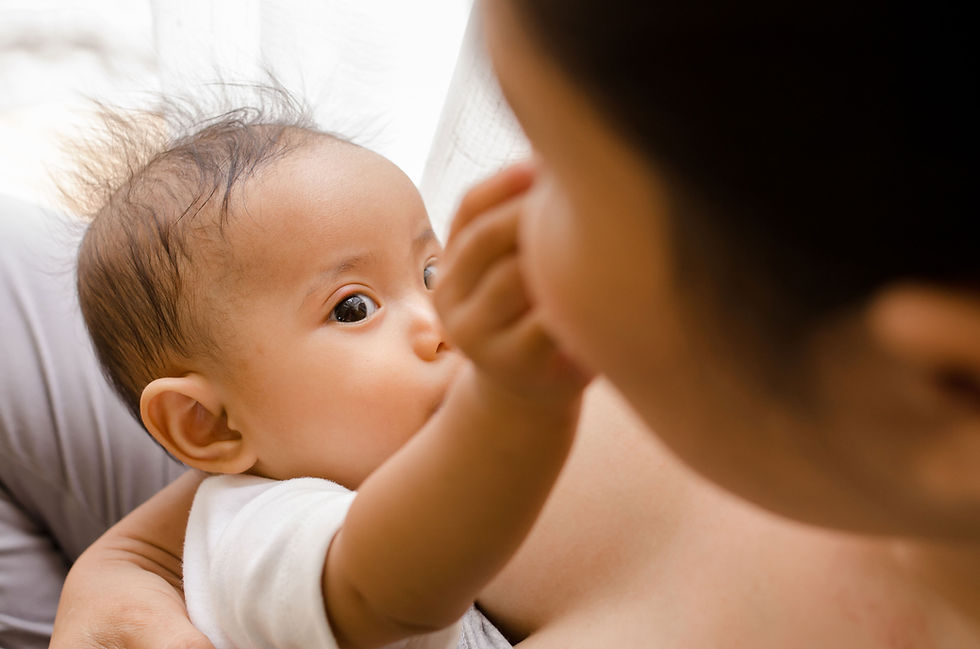
Skin to skin contact stimulates the baby’s natural instinct to breastfeed. When placed on the parent’s chest, babies often begin rooting and latch on more easily. This early breastfeeding helps establish milk supply and supports the baby’s nutrition.
Boosts Immune System
The close contact exposes the baby to the parent’s skin flora, which helps build the newborn’s immune system. This early exposure can protect against infections and promote healthy gut bacteria.
Reduces Stress and Crying
Newborns held skin to skin tend to cry less and show fewer signs of stress. The warmth, heartbeat, and familiar scent of the parent provide comfort and security, easing the baby’s adjustment to the new environment.
Benefits for Parents
Strengthens Emotional Bond
Holding a baby skin to skin immediately after birth fosters a deep emotional connection. This closeness releases oxytocin, often called the “love hormone,” which promotes bonding and feelings of calm and happiness.
Supports Postpartum Recovery
Oxytocin released during skin to skin contact also helps the uterus contract, reducing bleeding and aiding recovery after delivery. Parents often feel more confident and relaxed when they can hold their baby close right away.
Encourages Involvement of Both Parents
Skin to skin contact is not limited to mothers. Fathers and other caregivers can also provide this contact, helping them bond with the baby and share in early caregiving responsibilities.
Practical Tips for Skin to Skin Contact
Start immediately after birth if possible, before any routine procedures.
Keep the baby naked except for a diaper and place them on the parent’s bare chest.
Cover both with a warm blanket or towel to maintain warmth.
Aim for at least one hour of uninterrupted contact.
Encourage fathers or partners to participate if the mother is unavailable or resting.
Communicate with healthcare providers to support skin to skin practices in the hospital or birthing center.
Addressing Common Concerns
Some parents worry about skin to skin contact if the baby needs medical attention or if the birth was complicated. In many cases, skin to skin can still happen safely, even in the neonatal intensive care unit or after cesarean delivery. Discuss options with your healthcare team to find the best approach.
The Lasting Impact of Early Skin to Skin Contact
Research shows that the benefits of skin to skin contact extend beyond the first hours after birth. Babies who experience this early closeness often have better breastfeeding success, improved weight gain, and stronger emotional development. Parents report feeling more connected and confident in their new role.
This simple, natural practice supports the health and happiness of both baby and parent, setting the stage for a positive start to life together.

Comments